Why Lithium Battery Supply Chain Management Is More Critical Than Ever
Updated: Mar 25
The lithium battery supply chain is becoming increasingly complex. With growing demand across automotive, energy storage and e-mobility sectors, businesses are now handling higher volumes of battery assets than ever before.
This shift has made the safe storage of lithium batteries and their movement across the supply chain a key operational priority.
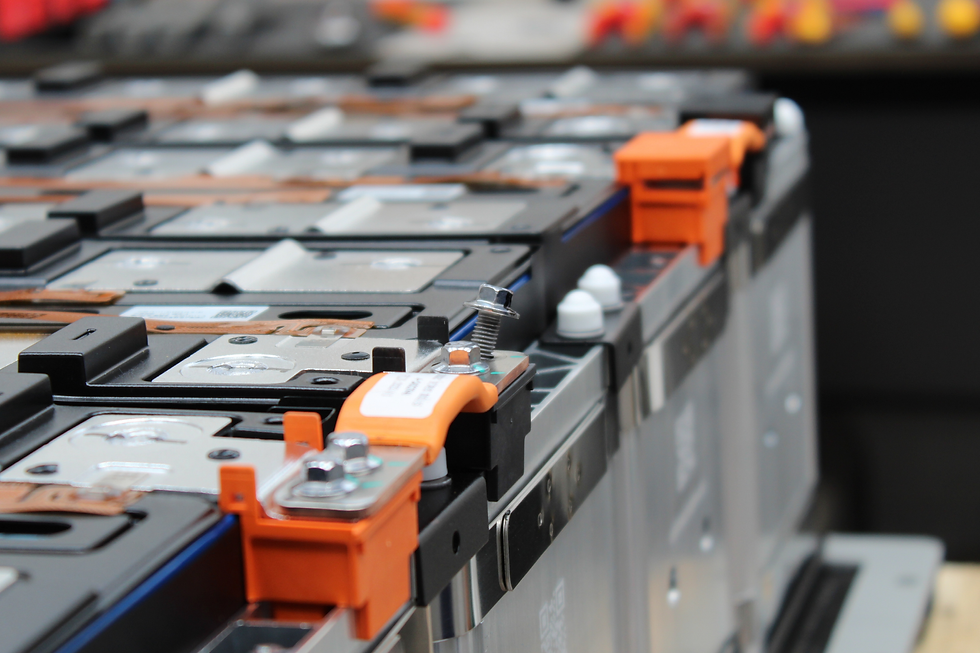
Unlike traditional goods, lithium batteries are classified as dangerous goods, requiring specialist handling, storage and transportation. From lithium battery warehousing through to lithium battery logistics, every stage must be carefully managed to ensure safety and compliance.
One of the biggest challenges within the lithium battery supply chain is visibility and control. Batteries often move between multiple locations, including manufacturers, ports, warehouses, testing facilities and operational sites. Without a structured approach, this can create risk, delays and inefficiencies.
Secure lithium battery warehousing provides a central point of control, allowing businesses to manage inventory safely while maintaining full oversight of their assets. With the right infrastructure in place, batteries can be stored in controlled environments that reduce risk and preserve condition.
Transport is another critical component. Lithium battery logistics must be carried out in line with strict regulations, ensuring that all movements are compliant and safely executed. This includes the use of ADR-certified vehicles, appropriate packaging and accurate documentation.
In addition to storage and transport, lithium battery maintenance plays an important role in ensuring long-term performance. Regular inspections and diagnostics help identify potential issues early, allowing businesses to take action before problems escalate.
As battery technologies continue to evolve, so too must the way they are managed. A fragmented approach to storage, logistics and maintenance is no longer sufficient.
Instead, businesses are increasingly looking for integrated solutions that bring together all aspects of the lithium battery supply chain. By doing so, they can reduce risk, improve efficiency and ensure compliance at every stage.
Managing lithium batteries effectively is not just about handling assets. It is about building a resilient, reliable and future-ready supply chain.


Comments